How to Make a Budget Work on a Fixed Income

Listen to this article
People living on a fixed income often hear the same budgeting advice as everyone else: spend less, earn more.
The problem is that much of that advice assumes your income can change. If your paycheck, pension, or monthly benefit is the same every month, earning more may not be realistic. Budgeting becomes less about increasing income and more about making confident decisions with the money that’s already coming in.
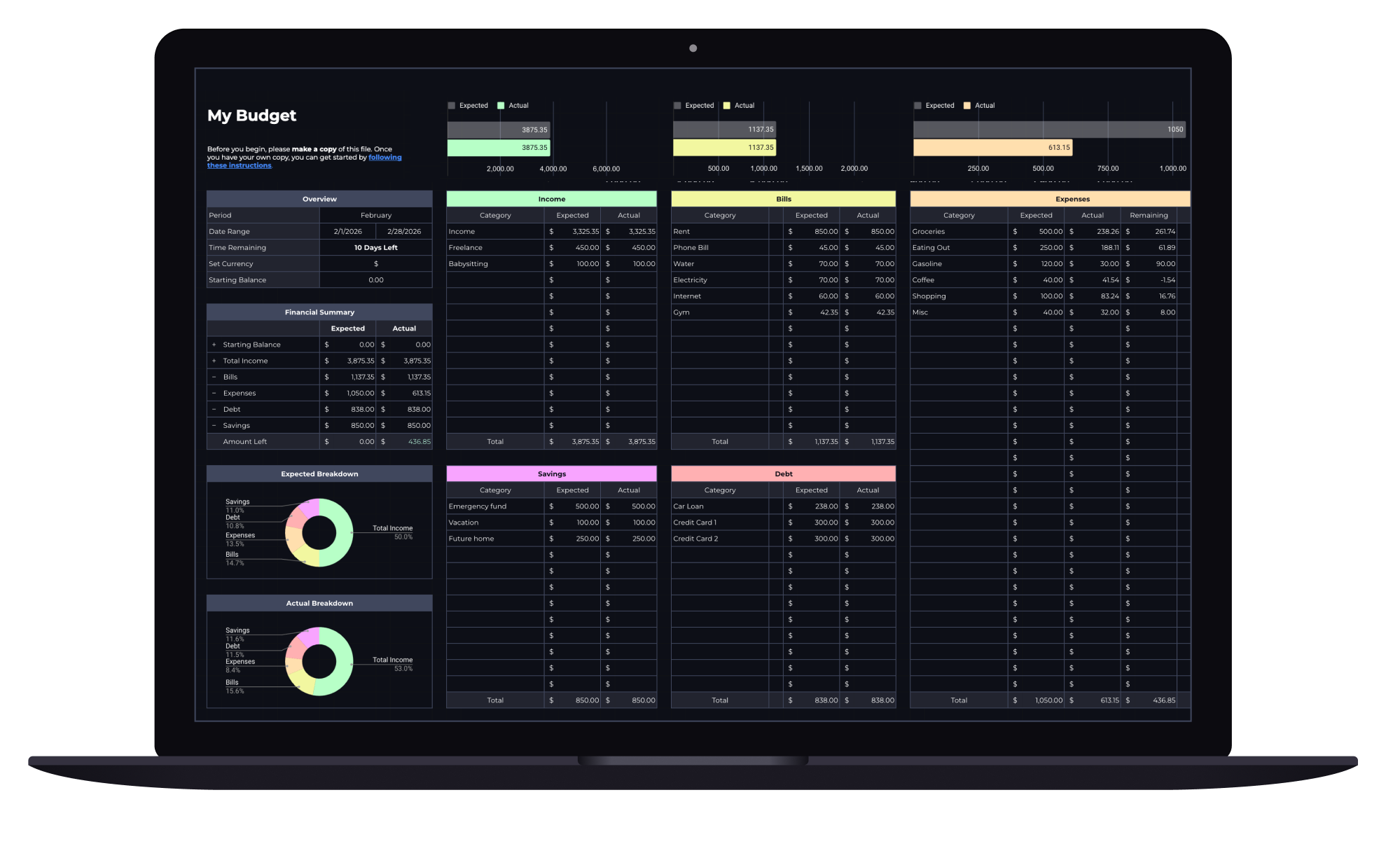
That’s exactly where a simple budget can help. Not by magically creating extra money, but by making it easier to see where every dollar is going and which expenses you actually have control over.
Why does budgeting feel different on a fixed income?
A fixed income removes an option that a lot of budgeting advice quietly assumes you have: the ability to earn more when expenses go up.
If an unexpected bill arrives, there isn’t another paycheck next week to absorb it. That makes every spending decision feel more important than it might for someone with flexible income.
At the same time, a large share of a fixed income is often spoken for before the month even starts. Housing, insurance, groceries, and healthcare can leave very little room to adjust.
That’s exactly why visibility matters so much here. When most of your income already has a purpose, knowing where each dollar actually goes becomes more valuable, not less.
Is the goal to save more, or to see more clearly?
It’s worth separating these two questions, because they lead to different starting points.
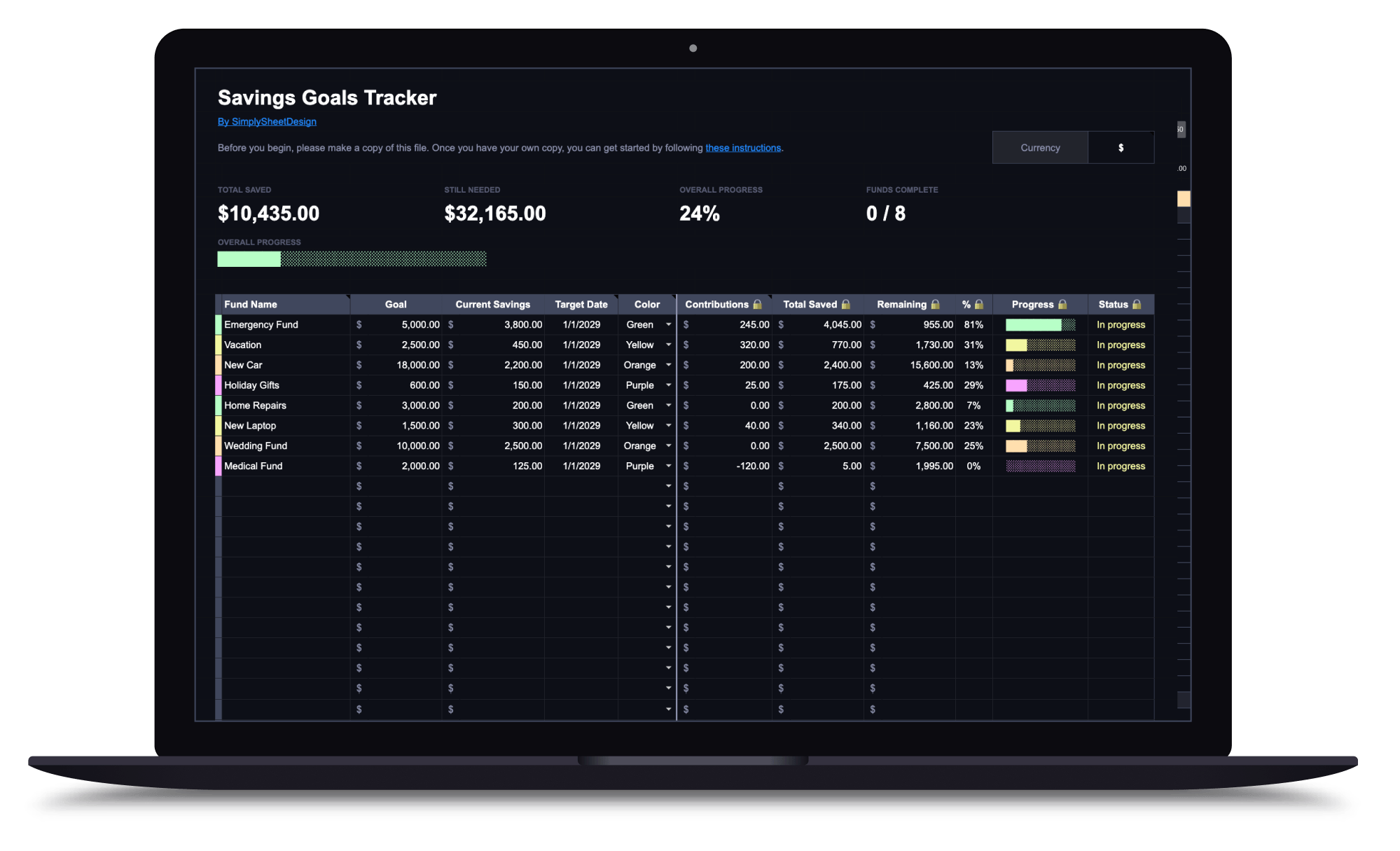
Saving more assumes there’s room to cut. Sometimes there is. But for a lot of people on a fixed income, the bigger problem isn’t overspending. It’s that small, variable expenses are easy to lose track of while they’re happening.
A few extra trips to the store. A couple of subscriptions that quietly added up over the years. Eating out a little more during a busy month. None of these feel significant in the moment, but together they can shrink the cushion that would otherwise cover something unexpected.
That’s why the first useful step usually isn’t cutting anything. It’s seeing clearly what’s already happening. Once you can see the pattern, you’re in a much better position to decide what, if anything, needs to change.
What should you actually look at first?
Instead of trying to optimize every category at once, it helps to sort expenses into three simple groups:
| Group | What it covers | Examples |
|---|---|---|
| Fixed | Rarely changes month to month | Rent or mortgage, insurance, loan payments |
| Variable | Shifts based on habits and choices | Groceries, restaurants, transportation, entertainment |
| Irregular | Easy to forget until it shows up | Annual subscriptions, holiday spending, car maintenance, medical bills |
Separating these three groups often makes a fixed income feel a lot more manageable, simply because you can finally see which parts of your spending are locked in and which parts have some give.
Why do small changes matter more here than big ones?
When money is already tight, advice that promises dramatic savings usually doesn’t hold up in practice.
Smaller, steadier changes tend to last longer. Trimming restaurant spending by a set amount each week. Canceling one subscription that’s gone unused for months. Setting aside a little each month for an irregular expense instead of being surprised by it later.
None of these changes will transform a budget by themselves. Together, they create breathing room, and that room is often what makes the next unexpected expense feel manageable instead of stressful.
The goal isn’t a perfect budget. It’s a slightly easier month than the last one.
Should a fixed income change how you budget?
The core principles stay the same. The priorities usually shift.
Getting a clear picture of essential expenses tends to matter more than chasing an ideal split between categories, like the 50/30/20 rule’s 50% needs, 30% wants, 20% savings breakdown. That framework is still a useful reference point, but on a fixed income the needs share often runs higher than 50%, and that’s fine. Building even a modest emergency fund can matter more too, since there’s no extra paycheck waiting to absorb a surprise cost.
Simple systems also tend to hold up better than complicated ones. A spreadsheet or method that’s easy to check in on every week is usually more useful than one that takes real effort to maintain.
Where should you actually start?
Not by trying to cut everything at once.
Start by tracking where your money goes for one month, without trying to change anything yet. Thirty days is usually enough to see your real patterns clearly.
Once you can see that, you’ll know which expenses are genuinely fixed, which ones have some flexibility, and where small adjustments are likely to make the biggest difference.
Budgeting on a fixed income isn’t about finding money that doesn’t exist. It’s about giving every dollar a clear purpose, so fewer surprises catch you off guard.
If that fixed amount arrives every two weeks rather than once a month, budgeting by paycheck instead of by the calendar month covers how to line bills up with your actual pay dates.