
Articles
Straightforward writing about budgeting, spreadsheets, and managing your money without the stress.

How to Calculate Monthly Income From a Biweekly, Weekly, or Semi-Monthly Paycheck
Paid every two weeks? Multiply one paycheck by 26 and divide by 12, not by 2. Here's the conversion for every pay schedule, with a calculator.

Sinking Fund vs. Emergency Fund: What's the Difference?
A sinking fund covers costs you know are coming. An emergency fund covers the ones you don't. Here's how to tell which one an expense belongs in.

How Couples Split Bills Fairly When They Earn Different Incomes
When one partner earns more, a 50/50 split can strain the lower earner. Here's how to split bills fairly by income, with a calculator to run your own numbers.

How to Track Expenses Without Burning Out
A simple, low-effort system for tracking expenses in a spreadsheet, including what to do when the habit starts to feel like a chore or you fall off it entirely.

How to Budget on a Biweekly Paycheck
A biweekly paycheck budget works by pay period instead of by month, so bills and paychecks line up. Here's how, including three-paycheck months.

How Sinking Funds Prevent Fake Emergencies
A sinking fund is money set aside gradually for expenses you know are coming, so they stop feeling like emergencies. Here's how to start one.

How to Make a Budget Work on a Fixed Income
Budgeting on a fixed income isn't about finding extra money that isn't there. It's about understanding where your money already goes and what's actually flexible.
Track Expenses for 30 Days Before You Budget
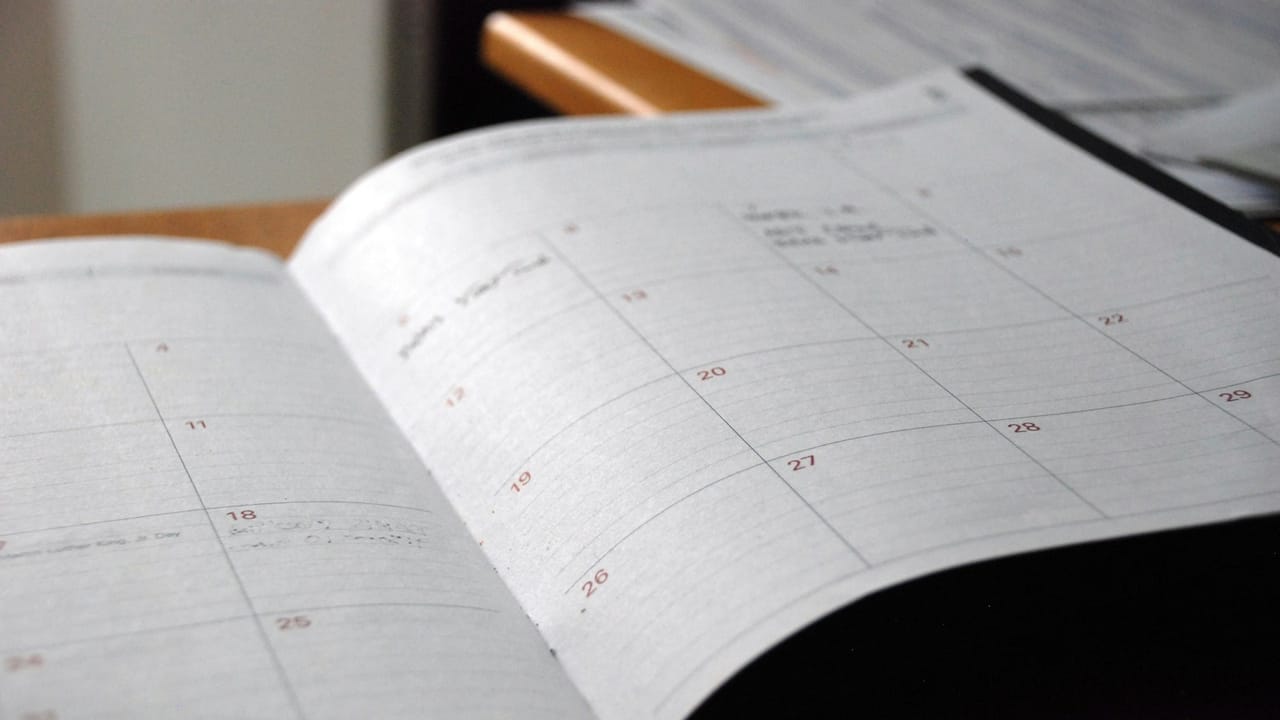
Most people start budgeting too early. Tracking where your money goes for 30 days leads to a much better budget than guessing categories from day one.

Debt Snowball vs. Avalanche: Which Wins?
Snowball and avalanche solve the same problem from different angles. Here's what actually separates them, and how to tell which one fits your situation.

How Much Should You Keep in an Emergency Fund?
Your emergency fund number isn't one-size-fits-all, it depends on your expenses and income stability. Here's how to calculate the right amount for you.

Why Most Budgets Fail (and How to Fix Yours)
Most budgets don't fail from lack of discipline. They fail because the system doesn't fit how you actually manage money. Here's what goes wrong and what works.

What Is the 50/30/20 Budget Rule?
The 50/30/20 rule splits your after-tax income into 50% needs, 30% wants, and 20% savings. Here's how it works, plus a free calculator to run your own numbers.
No articles match your search.
How to Calculate Monthly Income From a Biweekly, Weekly, or Semi-Monthly Paycheck
Paid every two weeks? Multiply one paycheck by 26 and divide by 12, not by 2. Here's the conversion for every pay schedule, with a calculator.
Sinking Fund vs. Emergency Fund: What's the Difference?
A sinking fund covers costs you know are coming. An emergency fund covers the ones you don't. Here's how to tell which one an expense belongs in.
How Couples Split Bills Fairly When They Earn Different Incomes
When one partner earns more, a 50/50 split can strain the lower earner. Here's how to split bills fairly by income, with a calculator to run your own numbers.
How to Track Expenses Without Burning Out
A simple, low-effort system for tracking expenses in a spreadsheet, including what to do when the habit starts to feel like a chore or you fall off it entirely.
How to Budget on a Biweekly Paycheck
A biweekly paycheck budget works by pay period instead of by month, so bills and paychecks line up. Here's how, including three-paycheck months.
How Sinking Funds Prevent Fake Emergencies
A sinking fund is money set aside gradually for expenses you know are coming, so they stop feeling like emergencies. Here's how to start one.
How to Make a Budget Work on a Fixed Income
Budgeting on a fixed income isn't about finding extra money that isn't there. It's about understanding where your money already goes and what's actually flexible.
Track Expenses for 30 Days Before You Budget
Most people start budgeting too early. Tracking where your money goes for 30 days leads to a much better budget than guessing categories from day one.
Debt Snowball vs. Avalanche: Which Wins?
Snowball and avalanche solve the same problem from different angles. Here's what actually separates them, and how to tell which one fits your situation.
How Much Should You Keep in an Emergency Fund?
Your emergency fund number isn't one-size-fits-all, it depends on your expenses and income stability. Here's how to calculate the right amount for you.
Why Most Budgets Fail (and How to Fix Yours)
Most budgets don't fail from lack of discipline. They fail because the system doesn't fit how you actually manage money. Here's what goes wrong and what works.
What Is the 50/30/20 Budget Rule?
The 50/30/20 rule splits your after-tax income into 50% needs, 30% wants, and 20% savings. Here's how it works, plus a free calculator to run your own numbers.

Why Awareness Beats Automation in Budgeting
Budgeting apps automate the data. Spreadsheets tend to build awareness. Here's why that distinction matters more than which tool you pick.

The 4 Budgeting Styles: Which One Are You?
Are you a Planner, Saver, Spender, or Avoider? Knowing your budgeting style helps you pick a money system that actually sticks.

How to Budget as a Couple Without Fighting
Budgeting as a couple works best when both partners see the same numbers. Most money fights come from different information, not bad habits.

How to Pay Off Multiple Debts at Once
Choosing snowball or avalanche isn't the hard part of paying off debt. Keeping track of balances, rates, and progress across accounts is. Here's what helps.

How to Budget When Your Income Changes Monthly
A straightforward approach to budgeting on irregular income: freelancers, gig workers, commission earners, or anyone whose paychecks vary.

Where Is My Money Going? How to Find Out
Wondering where your money is actually going each month? Here's the simplest way to find out, and what to do once you know.
Spreadsheets to put the reading to work
The templates these articles are built around, for Google Sheets and Excel.
All spreadsheets →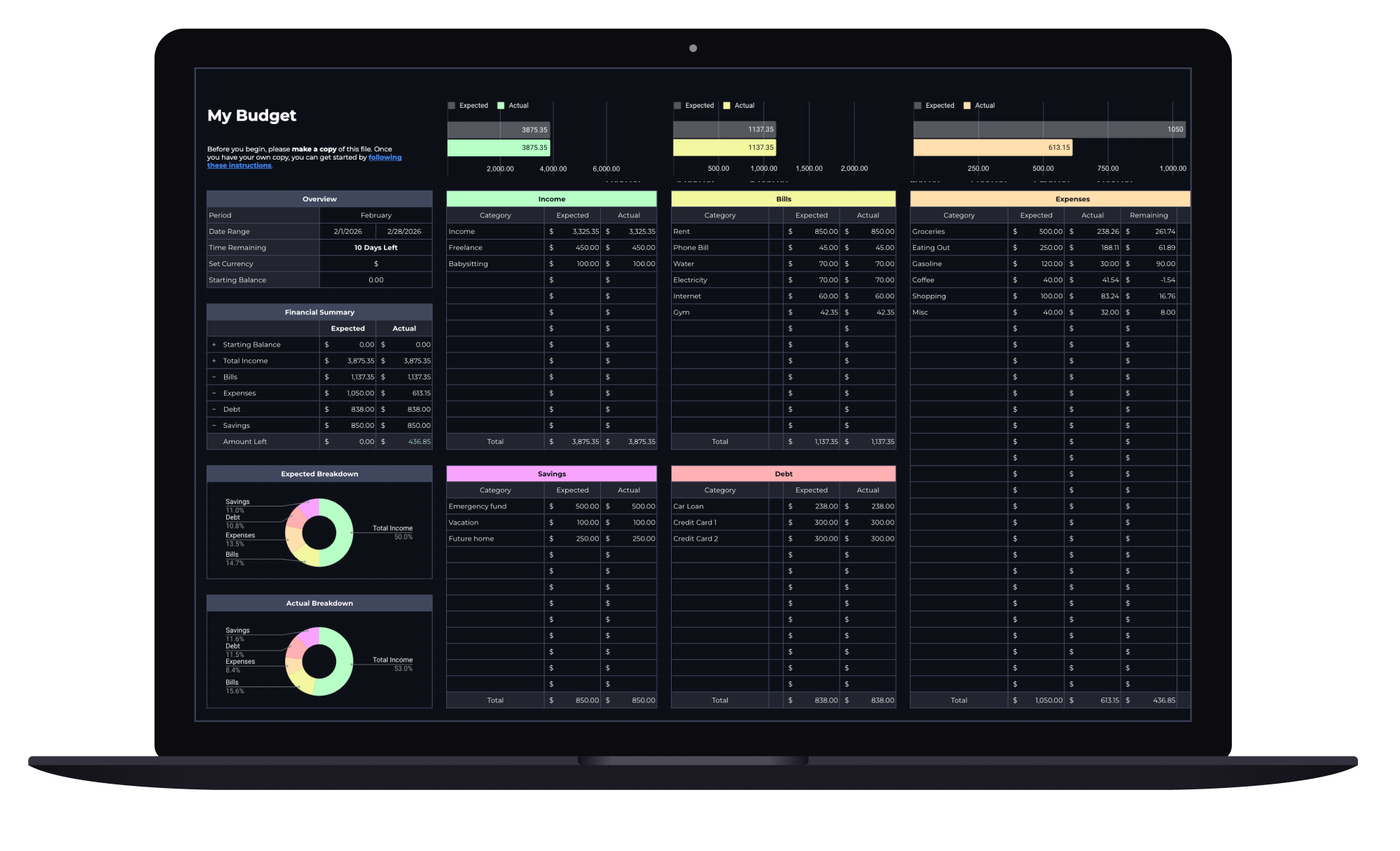
Budget Spreadsheet
Track your income and daily expenses with real-time progress indicators that show exactly where you stand each month. Works with Google Sheets and Microsoft Excel.
Couples Budget Spreadsheet
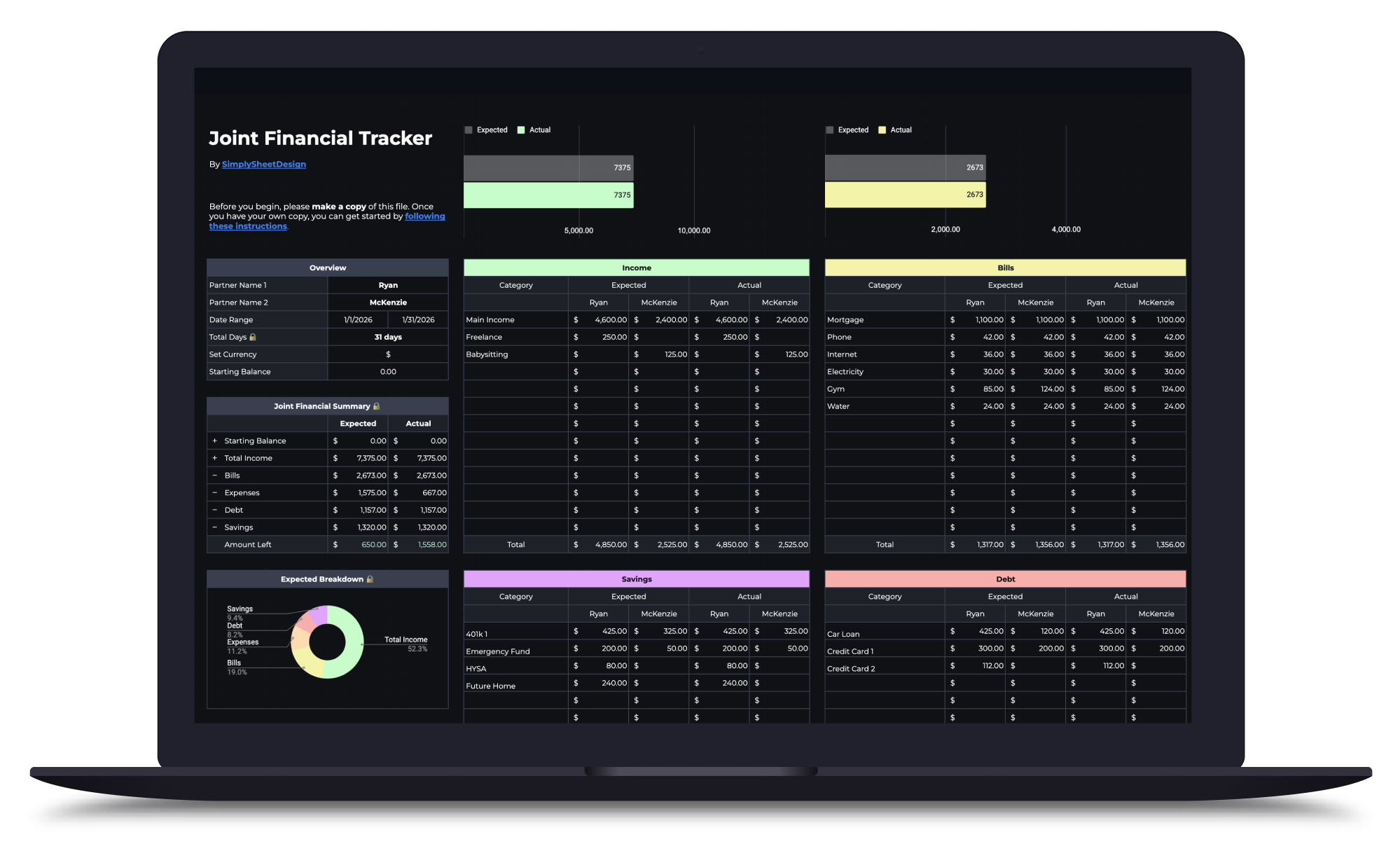
Split bills, track shared and personal expenses, and manage savings together. Built for two incomes, one shared financial picture.
Debt Payoff Tracker
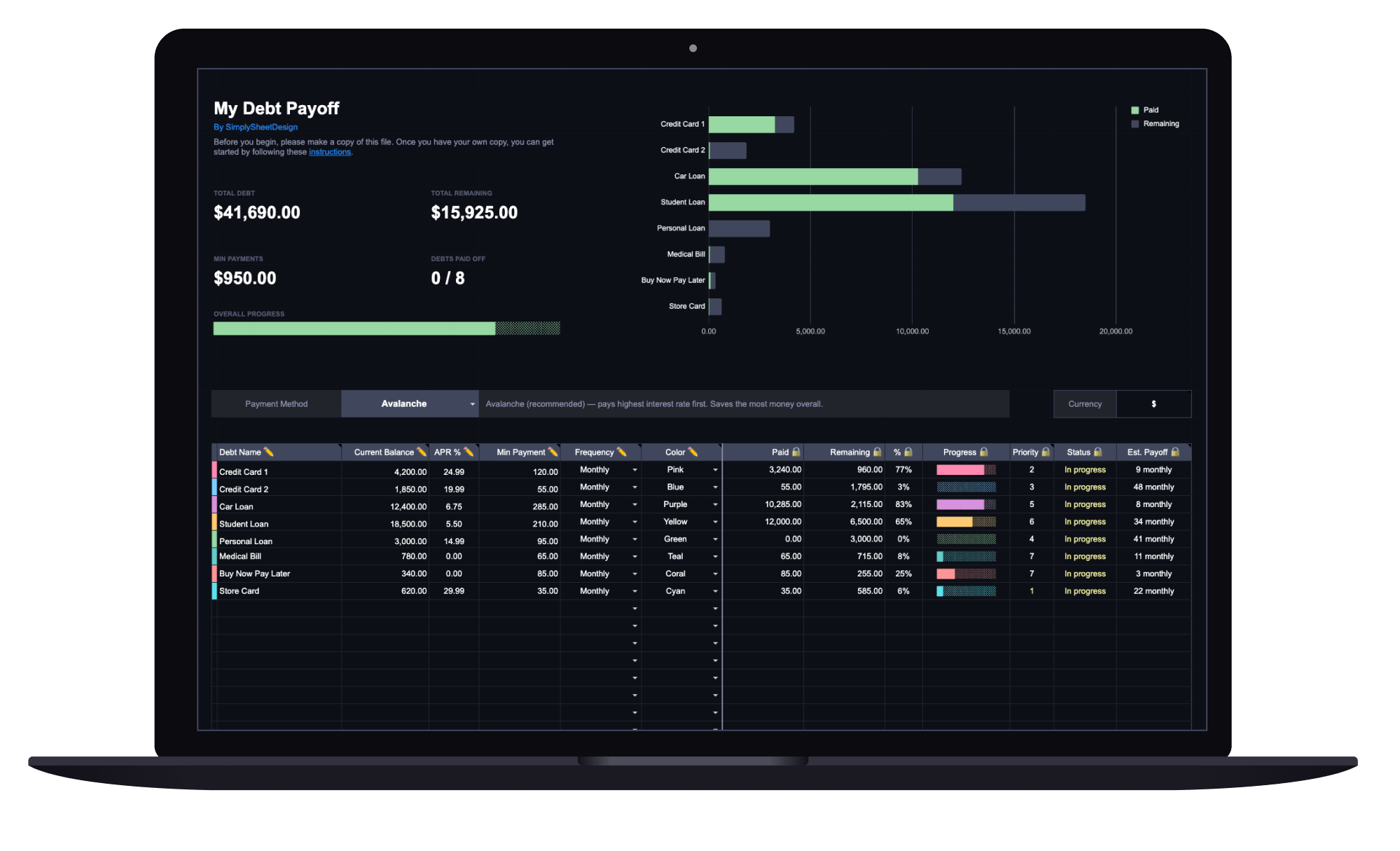
See your total debt, log payments, and watch your balances drop month by month with clear visual progress. Track credit cards, loans, and any other debt.
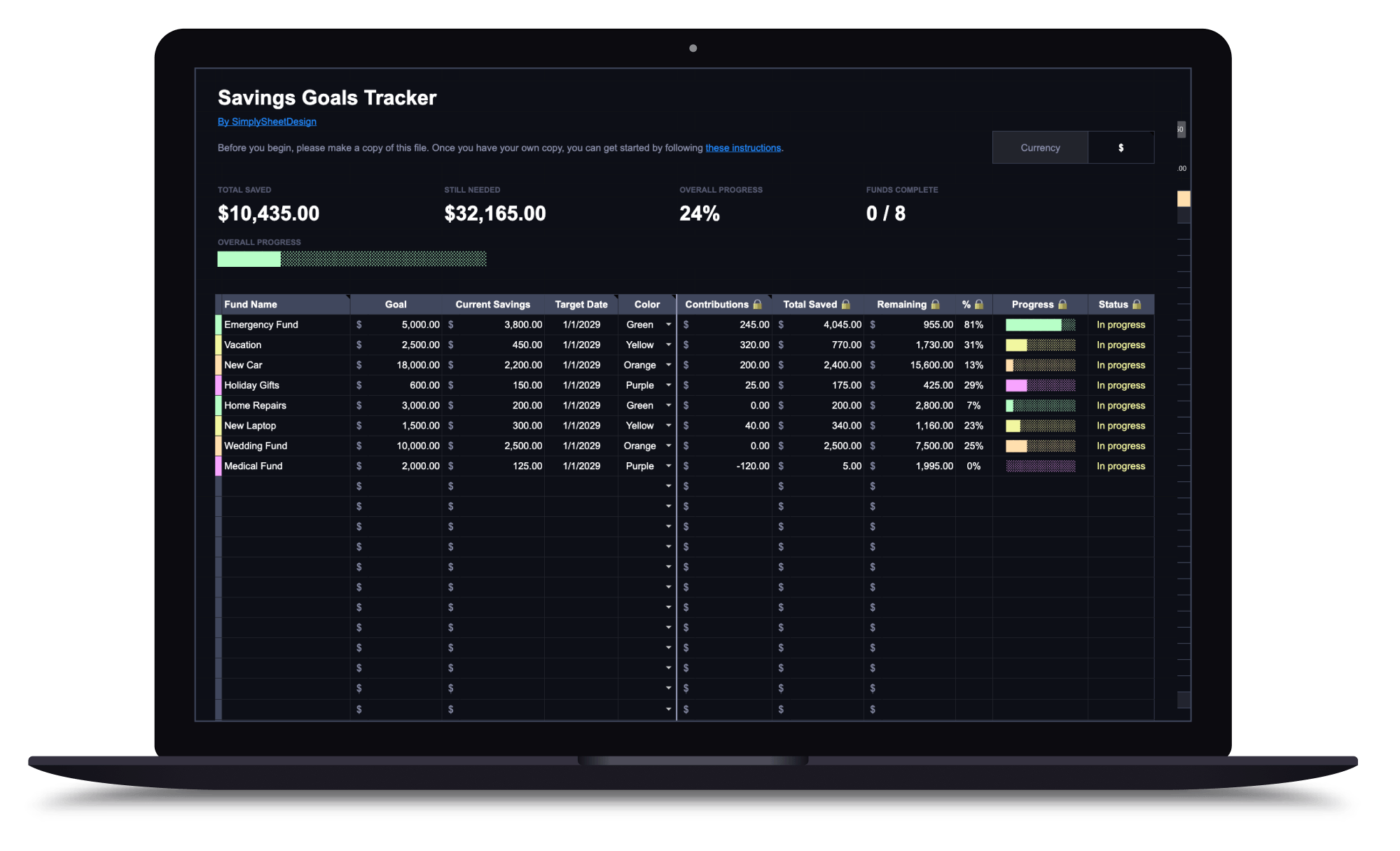
Savings Goals Tracker
Set multiple savings goals, track contributions, and watch your progress toward each one. Perfect for emergency funds, sinking funds, and any savings target.